
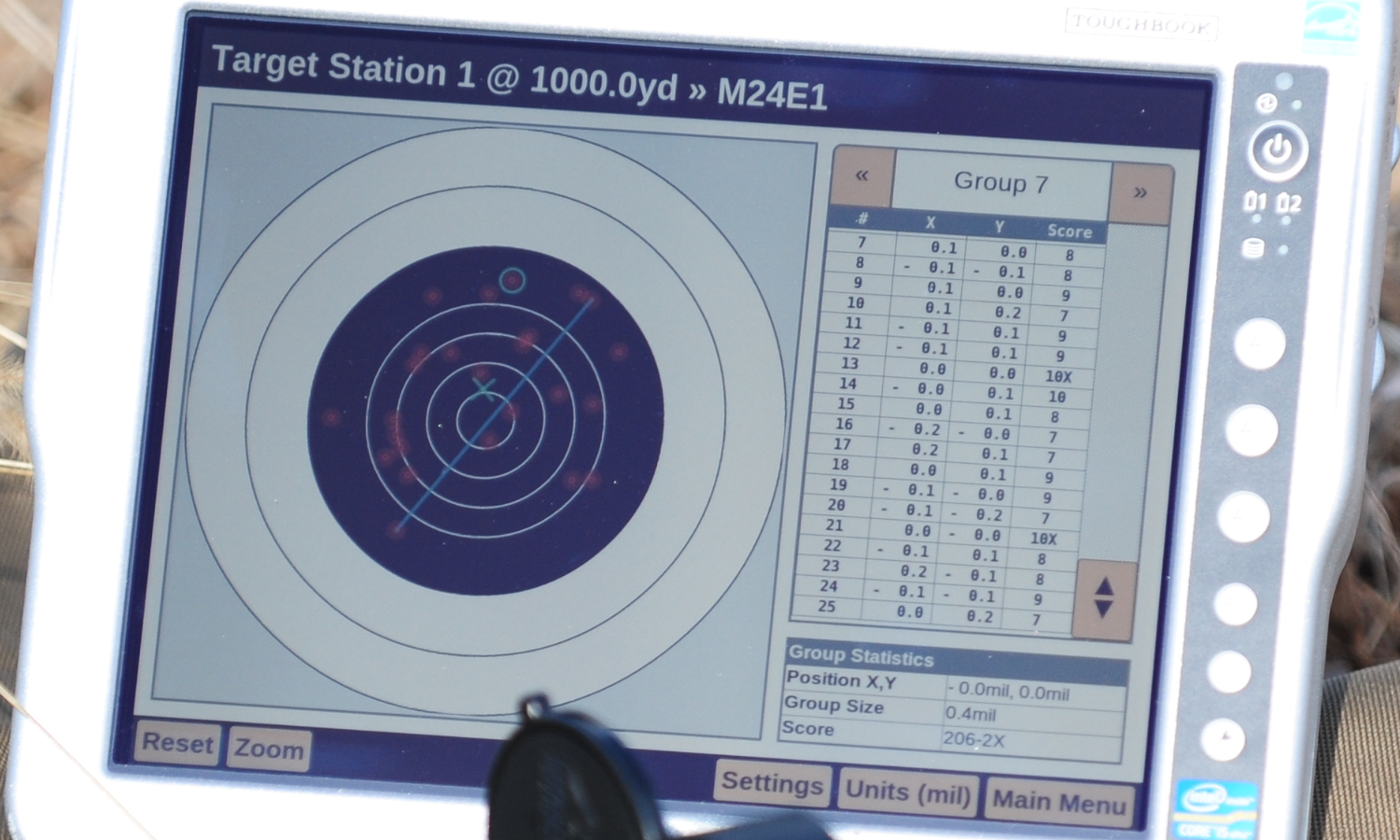
Out on the range, a shooter prepares, then unloads a full magazine into a standard target array. Their instructor watches and takes notes, then calls it a solid run.
Does the instructor actually know how many rounds actually hit? How fast did the shooter transition between targets? Did the shooter’s performance hold up under time pressure?
These training scenarios still heavily rely on the instructor’s eyes and a shooter’s memory of how the run felt, which is fine for basic qualification. But when the goal is building shooters who perform under real stress, with real consequences, these scenarios just don’t cut it.
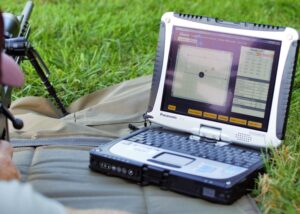
Sensor feedback changes the equation. Instead of having to guess the hit percentage or estimate the reaction time, instructors get exact numbers them moment they happen, and can review the entire run after the scenario ends. That type of data does more than confirm what already looked good, it exposes what didn’t and gives the instructor a clear starting point for the next scenario.
Learning to build training scenarios that put sensor feedback to work can create structured drills around specific tactical objectives.
Why Sensor Feedback Changes Scenario Design
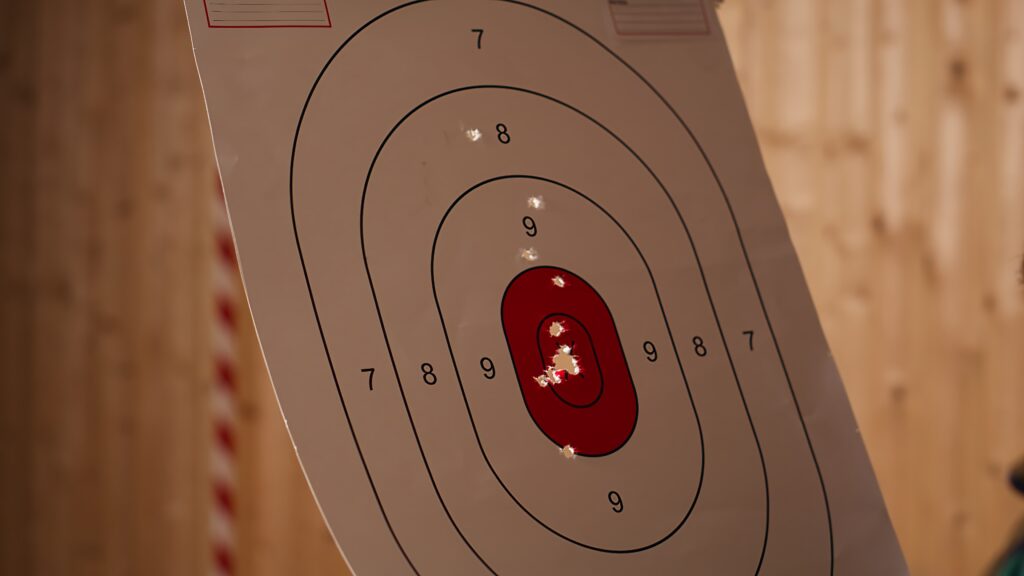
Traditional scenarios start and end with the pass/fail metric of “did the shooter hit the target?”, which misses almost everything that actually matters in a real engagement.
With sensor feedback, the question becomes “how fast did they hit, how accurate were they under time pressure, and how did performance change as the scenario got harder?” This level of detail creates a performance record that instructors can compare across shooters, sessions, and across weeks of progression.
These things matter most when it comes to retention and throughput. A shooter who hits the target once during a slow, controlled drilled hasn’t proven much. A shooter who hits consistently across a sensor-tracked scenario with increasing time pressure has demonstrated something instructors can build on. The data not only confirms skill, it shows where that skill starts to break down, which is exactly where the next scenario should focus. For instructors, instead of building a drill and hoping it stresses the right skills, the sensor feedback lets them design around known baselines, then adjust based on what the data shows in real time.
Key Elements for Building the Scenario
A sensor-driven scenario starts with the fundamentals of target placement, engagement sequencing, and timing benchmarks. From there, scenarios are structured around a clear training objective.
Marksmanship drills should confirm zero and test precision under time pressure. Tactical decision-making drills should focus on target discrimination, multiple shooting positions, or timed relays. Team-based drills should test coordination and simultaneous engagement.
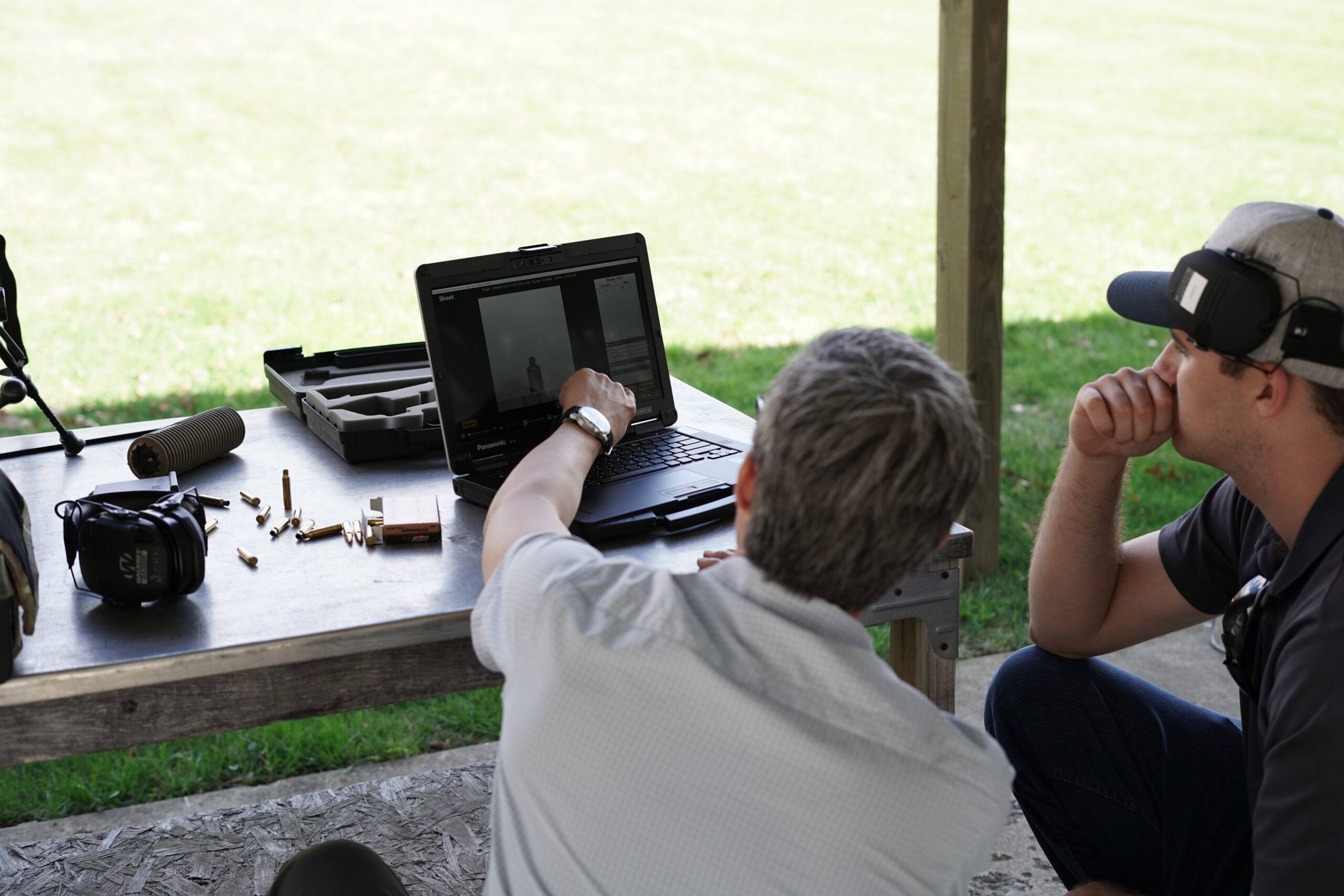
Sensor data also lets instructors adjust difficulty in real time. If hit percentage stays high, the instructor can shorten exposure time or add movement. If it drops, they can dial the scenario back to baseline and start again.
The biggest mistake instructors can make is skipping these steps. Adding complexity before establishing a baseline makes it impossible to know what’s actually driving poor performance, and running a scenario without debriefing the data means instructors walk away with an opinion instead of an answer, the one thing the sensor feedback was supposed to provide.
From Scenario to Standard
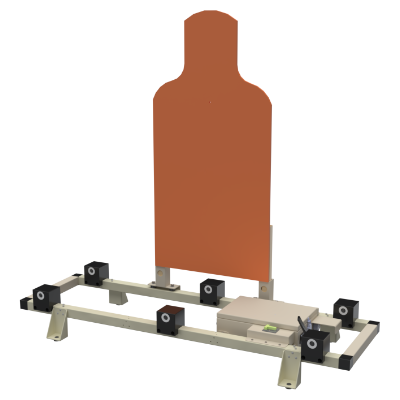
Sensor feedback turns training scenarios from one-off exercises into repeatable, measurable processes. Instructors build readiness by repetition against real data instead of impressions.
That’s the shift Oakwood built the LOMAH H-Bar to support, giving instructors the exact numbers they need to design smarter scenarios and shooters the real-time feedback they need to actually improve.